
The main types of windows for homes are single-hung, double-hung, casement, awning, hopper, sliding, picture, bay and bow, tilt-turn, skylights, and specialty shapes. They differ in how they open, how much air they let in, how well they seal, and how easy they are to clean. Double-hung and casement windows suit most rooms, picture windows frame a view, and awning windows give air while keeping rain out.
Window makers’ guides describe how each style looks and opens. They rarely tell you what living with it is like. As window cleaners, we see every style up close, so this guide also covers which ones are easy to keep clean and which ones need a ladder or a pro.
Types of Windows at a Glance
| Window type | How it opens | Fresh air | Clean the outside from inside? |
|---|---|---|---|
| Single-hung | Bottom sash slides up | Medium | Often, if the sash tilts in |
| Double-hung | Both sashes slide | Good | Yes, on most tilt-in models |
| Casement | Cranks out on a side hinge | Very good | Yes, through the opening on many models |
| Awning | Cranks out from the top | Good, even in light rain | Hard; usually from outside |
| Hopper | Tilts in from the top | Limited | Partly |
| Sliding | Sash slides sideways | Medium | Sometimes, if the sash lifts out |
| Picture | Does not open | None | No |
| Bay and bow | Mix of fixed and opening units | Depends on the side units | Center glass: no |
| Tilt-turn | Swings in or tilts in | Good | Yes |
| Skylight | Fixed or vented, in the roof | Venting models only | No |
| Specialty shapes | Usually fixed | None | No |
Common Window Styles Explained
Single-hung windows
The top sash is fixed and only the bottom sash slides up. Pella lists single-hung windows for spots where the top sash would be hard to reach, like over a patio or walkway. They cost less than double-hung windows and have fewer moving parts. Many newer models tilt in, which makes the outside of the bottom sash easy to clean. The top sash still has to be cleaned from outside.
Double-hung windows
Both sashes slide up and down, so you can open the top, the bottom, or both. Andersen calls single- and double-hung windows some of the most common in the U.S. (Andersen window types). Most modern double-hung sashes tilt in, so you can clean both sides of the glass from inside. That makes them one of the easiest types to keep clean on a second floor.
Casement windows
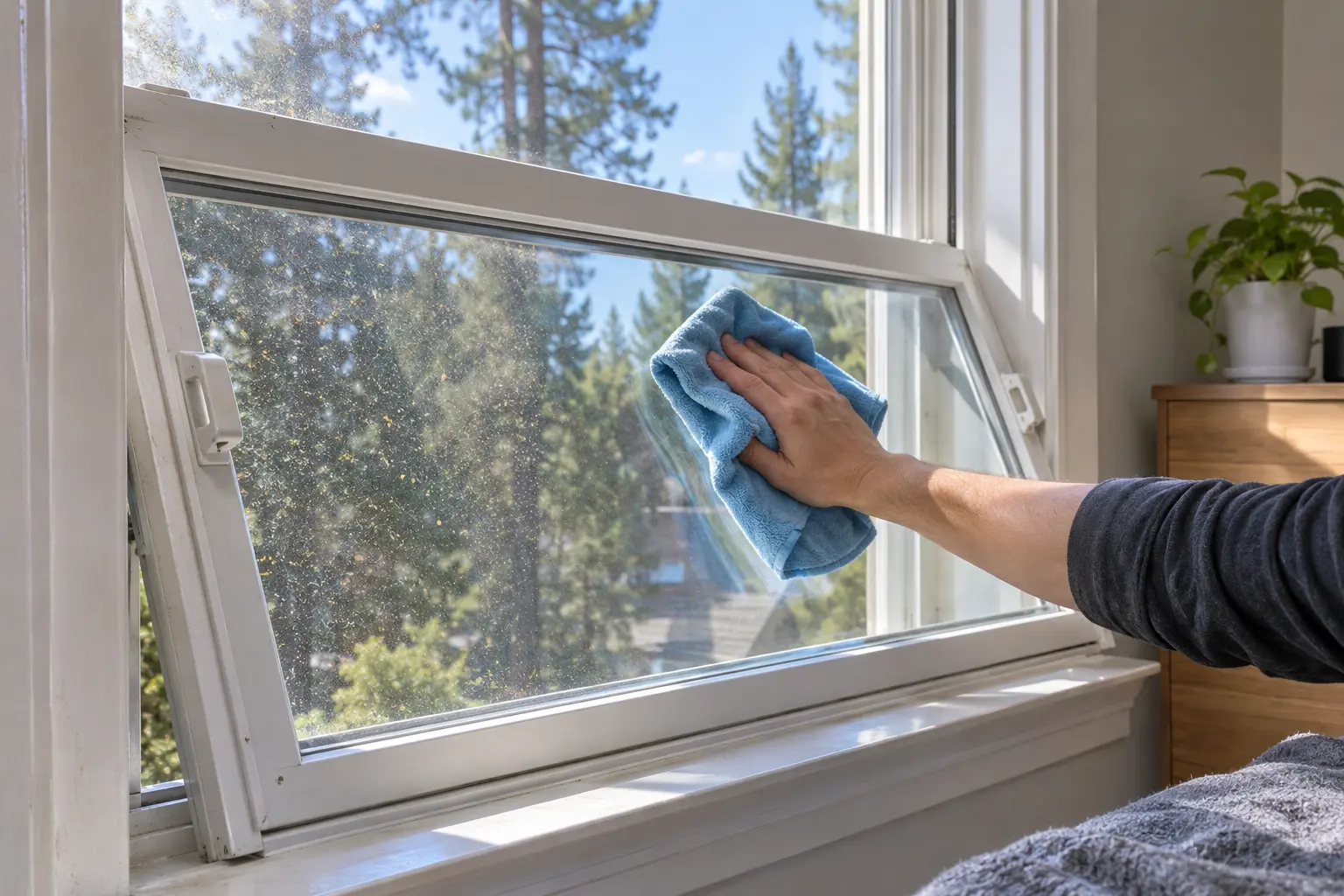
A casement is hinged on one side and cranks outward like a door. It opens the full height of the window, so it moves a lot of air and gives a clear view with no rail across the middle. Pella and Andersen both point to casements for hard-to-reach spots, such as over a kitchen sink. On many models, the open sash leaves enough room to reach the outside glass from inside. Our guide to what is a casement window covers parts, egress sizes, and hardware care.
Awning windows
An awning window is hinged at the top and opens outward from the bottom, like a small roof. Pella and Andersen note that it can stay open in light rain. Awning windows are often placed high on a wall, in bathrooms, or above or below other windows. The outside glass is hard to reach from inside, so it usually gets cleaned from outside.
Hopper windows
A hopper is the opposite of an awning. It is hinged at the bottom and tilts in from the top. Hoppers are small and common in basements and bathrooms. They let in less air than most styles, but they are easy to open and close.
Sliding windows
Sliders have one or more sashes that move sideways on a track. Andersen calls them gliding windows and compares them to a small sliding glass door. They suit wide, short openings and ranch-style homes. Some sashes lift out for cleaning. The bottom track collects dirt and needles, so it needs regular care. Our guide on how to clean window tracks shows how.
Picture windows
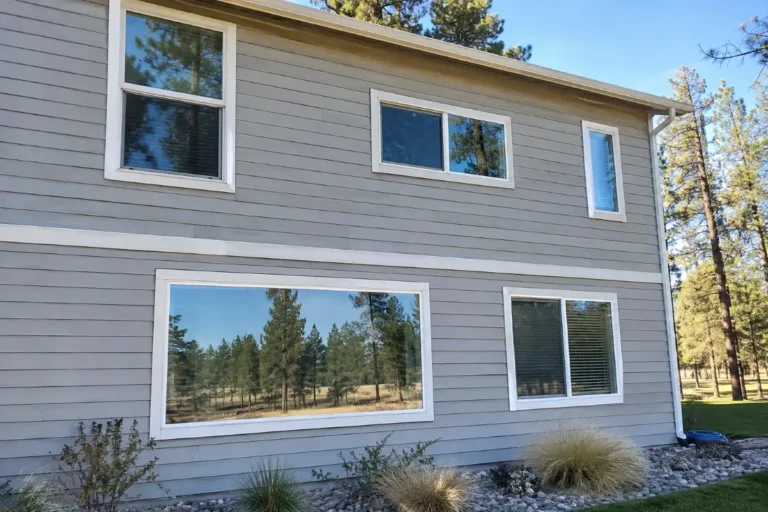
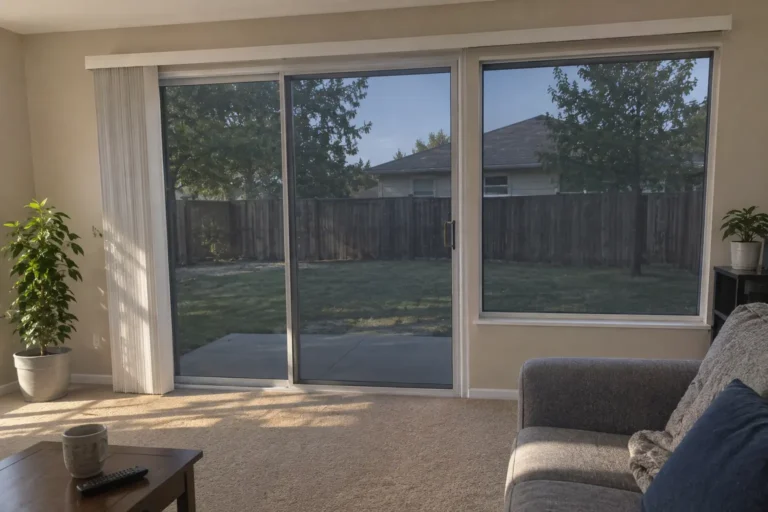
A picture window is a large fixed pane that does not open. It gives the most light and the clearest view, and with no moving parts there is little to wear out. The tradeoff is no fresh air and no way to reach the outside glass from inside. Large picture windows, especially on upper floors, are often the hardest glass on a house to keep clean. Our guide to standard window sizes lists common dimensions for each style.
Bay and bow windows
Both stick out from the wall. Pella describes a bay as a fixed center window with an opening window on each side, and a bow as four or more windows of equal size forming a curve. They add light and floor space, but the center glass sits outside the wall line, so it often needs a ladder or a pole to clean.
Tilt-turn windows
Common in Europe and now sold more widely in the U.S., a tilt-turn window opens two ways. Turn the handle one way and it swings into the room like a door. Turn it the other way and it tilts in at the top for air. Because it opens inward, you can clean both sides from inside. Plan for blinds and furniture, since the sash swings into the room.
Skylights
Skylights are windows set in the roof, either fixed or venting. They bring light into rooms that can’t get it from a wall. They collect leaves, pollen, and dust, and they are hard to clean safely because the outside glass is on the roof. See our skylight cleaning page for how professionals handle them.
Specialty and shaped windows
Half-rounds, circles, octagons, and transoms over doors add character. Most are fixed, so they don’t add airflow. Many sit high on the wall, which makes them hard to reach for cleaning.
Window Frame Materials
The frame matters as much as the style. Here is how the common materials compare, based on The Home Depot’s and Star Lumber’s buying guides.
| Frame | Upkeep | Notes |
|---|---|---|
| Vinyl | Low | Never needs paint; the most common choice |
| Wood | High | Classic look; needs paint or stain to resist rot |
| Fiberglass | Low | Durable; holds up well in harsh weather |
| Composite | Low | Made to look like wood |
| Aluminum | Low | Slim frames, but it conducts heat and cold |
Which Types Seal Best?
How a window opens affects how much air leaks around it. A weatherization guide hosted by Oak Ridge National Laboratory rates fixed windows as the tightest. It rates single-sash casement, awning, and hopper windows as typically tight, and sliding windows as typically medium (ORNL window leakiness guide). Casements and awnings press against their seals when closed, while sliders have to glide past theirs.
For energy use, look at the ENERGY STAR label and the U-factor. A lower U-factor means less heat escapes. Under ENERGY STAR Version 7.0, windows in the Northern climate zone need a U-factor of 0.22 or lower (Cardinal Glass: ENERGY STAR 7.0). Check ENERGY STAR’s map for your county’s zone.
Don’t Forget Egress in Bedrooms
Safety note: Bedrooms and basements need at least one window big enough to escape through in a fire. Under the 2021 International Residential Code, that opening needs at least 5.7 square feet of clear space (5 square feet on the ground floor), at least 24 inches of height and 20 inches of width, and a sill no higher than 44 inches from the floor (Boulder County summary of IRC R310). Many states and cities adopt their own version of this code, so check with your local building department before changing a bedroom window.
Choosing Windows by Room and Climate
| Situation | Good choice | Why |
|---|---|---|
| A room with a view | Picture window with casements or awnings beside it | Big glass plus fresh air |
| Over a kitchen sink | Casement or awning | The crank is easy to reach over a counter |
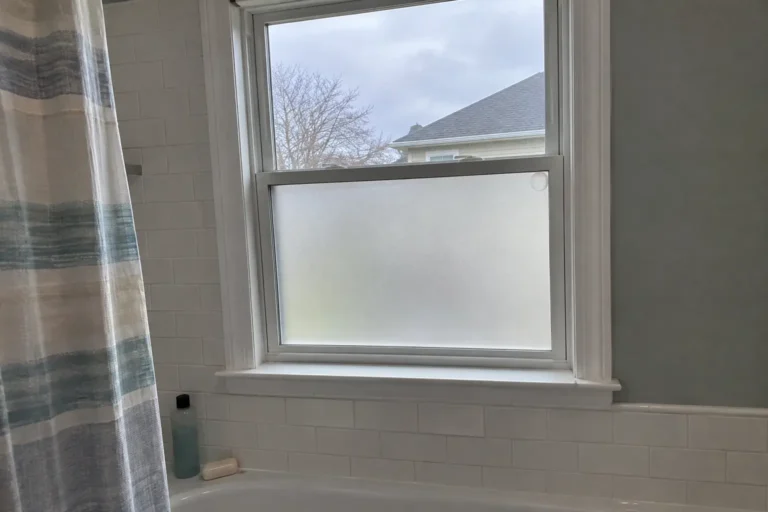
| Bathroom | Awning or hopper with frosted glass | Air without losing privacy |
| Upper floors | Tilt-in double-hung or tilt-turn | Both sides clean from inside |
| Cold climates | Casement or awning with a low U-factor | Tighter seal, less heat loss |
| Hot, sunny climates | Any style with a low SHGC rating | Blocks more of the sun’s heat |
| Windy or dusty areas | Casement or awning | Seals tighter than sliders |
| Homes under trees | Avoid lots of sliders | Tracks fill with leaves and needles |
SHGC stands for solar heat gain coefficient. The lower the number, the less of the sun’s heat comes through. In the Southern ENERGY STAR zone, Version 7.0 requires an SHGC of 0.23 or lower, according to Cardinal Glass. If your windows already let in too much heat, our guide to home window tinting explains how film can help.
If you already have hard-to-reach glass, a magnetic window cleaner can help between cleanings on fixed panes. If you live in Central Oregon, our residential window cleaning service cleans every style on your house, inside and out.
Frequently Asked Questions
What is the most common type of window?
Single-hung and double-hung windows are among the most common in U.S. homes, according to Andersen. They fit most home styles, cost less than many other types, and most newer models tilt in for cleaning. For installed prices by window type, see our guide to the cost to replace windows.
Which type of window is easiest to clean?
Tilt-in double-hung and tilt-turn windows are the easiest, because you can reach both sides of the glass from inside. Many casements are also easy. Picture, bay, awning, and skylight glass are the hardest to clean.
Which types of windows are most energy efficient?
Fixed windows leak the least air because they don’t open. Among windows that open, casement and awning styles usually seal tighter than sliders. The glass matters too, so compare U-factor ratings on the label.
What is the difference between a bay and a bow window?
A bay window usually has three sections: a fixed center window with an opening window at an angle on each side. A bow window uses four or more windows of equal size to form a gentle curve.
The Bottom Line
The right window depends on the room, the view, and how you want it to open. Double-hung and casement windows suit most rooms, picture windows frame a view, and awnings bring in air on rainy days. Before you choose between the types of windows, also think about cleaning: tilt-in styles save you a ladder, while picture, bay, and high specialty windows will need a pole or a pro.

9 Comments
Comments are closed.