
The cost to replace windows usually runs about $600 to $1,000 per window for a basic vinyl replacement and $1,000 to $3,000 or more for larger, wood, or full-service jobs. Homewyse put a standard vinyl replacement at $632 to $967 per window in May 2026, and the 2025 Cost vs. Value report put a full vinyl window replacement project at $22,073 nationally. The biggest price drivers are frame material, window type and size, insert vs full-frame installation, and repairs found once the old window comes out.
Most guides on the cost to replace windows come from companies that sell them, and their ranges often don’t match. This guide puts several sources side by side, explains why they differ, and lists the costs that quotes often leave out.
What Different Sources Say
| Source | What it measured | Price |
|---|---|---|
| Homewyse (May 2026) | Basic vinyl double-pane low-E window, installed | $632 to $967 per window |
| The Home Depot | Vinyl double-hung, installed, with permit and tax | $478 to $2,412 per window |
| The Home Depot | Wood double-hung, installed, with permit and tax | $1,311 to $4,424 per window |
| Cost vs. Value 2025 | Full vinyl window replacement project, national average | $22,073 |
| Cost vs. Value 2025 | Full wood window replacement project, national average | $26,781 |
Why the gap? Homewyse prices a basic, in-stock vinyl window on an easy job and leaves out permits, trim repairs, and contractor overhead (Homewyse replacement window cost). Home Depot’s numbers include permits, installation, and tax (Home Depot window installation cost guide). Cost vs. Value prices a full professional project, including finishing work (Cost vs. Value 2025 national data).
Cost by Window Type
These installed price ranges come from The Home Depot’s cost guide and include the window, installation, permit, and tax.
| Window type | Vinyl | Wood |
|---|---|---|
| Double-hung | $478 to $2,412 | $1,311 to $4,424 |
| Casement | $589 to $2,993 | $833 to $3,220 |
| Awning | $750 to $1,886 | $871 to $2,986 |
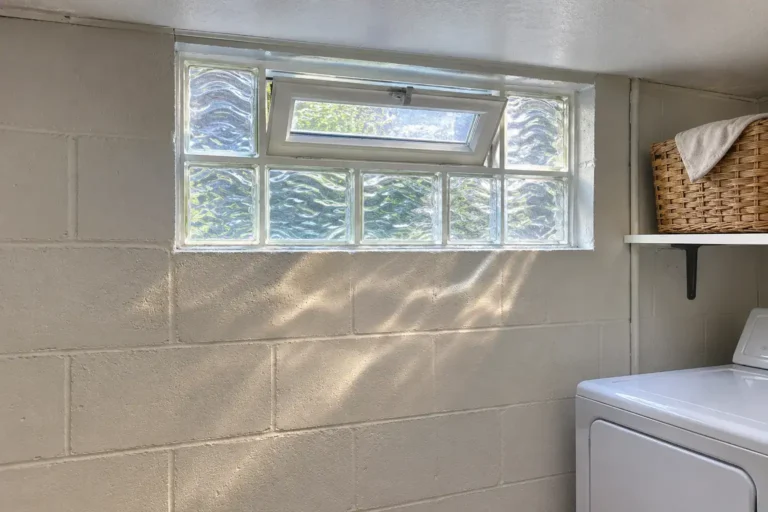
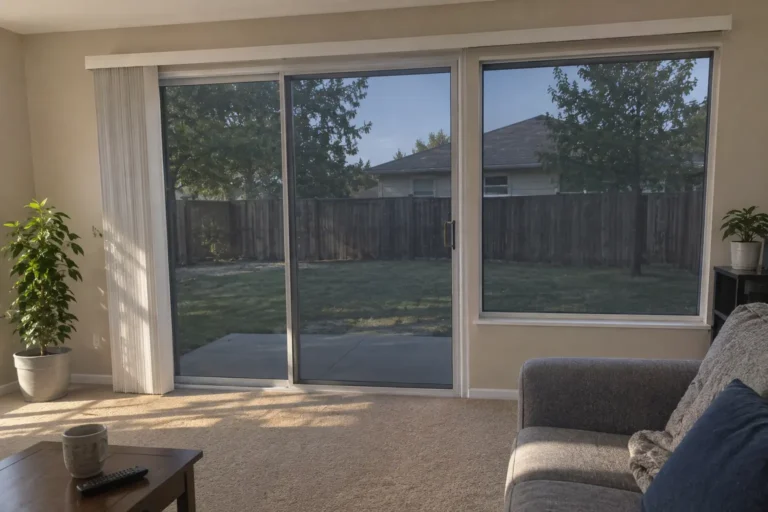
| Sliding | $652 to $2,668 | Not listed |
| Shaped or specialty | $705 to $6,276 | Not listed |
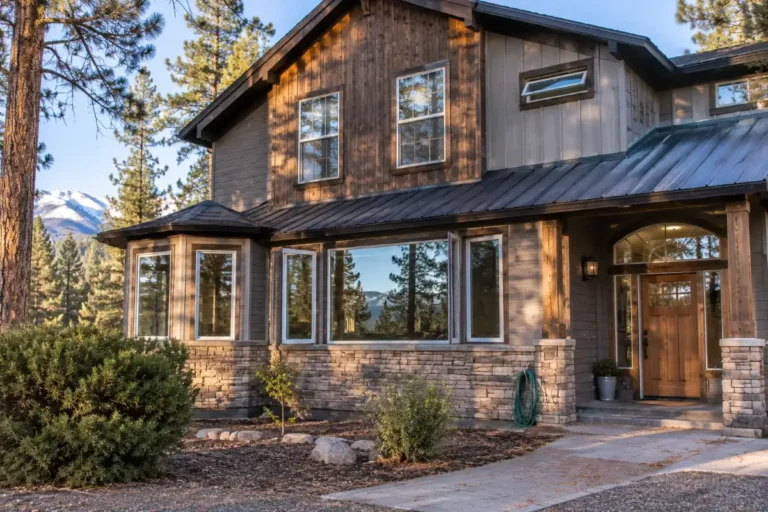
| Bay | $3,554 to $10,245 | $3,461 to $12,452 |
Not sure which type you have? Our guide to the types of windows explains each one. To check your sizes before you get quotes, see our window size chart.
Whole-House Cost
Pella gives these ranges for standard windows, installed, by project size (Pella whole-house cost guide):
| Project size | Number of windows | Price range |
|---|---|---|
| Small | 8 to 10 | $6,400 to $22,000+ |
| Medium | 12 to 15 | $9,600 to $33,000+ |
| Large | 18 to 25+ | $14,400 to $55,000+ |
What Drives the Cost to Replace Windows
- Frame material. Vinyl costs the least, fiberglass sits in the middle, and wood costs the most.
- Window type and size. Bay, bow, and custom shapes cost far more than standard double-hung windows.
- Insert vs full-frame. An insert sets a new window into the old frame. A full-frame job removes everything down to the studs. Pella says full-frame can cost 20% to 30% more. Manufactured homes use a different flange-mount style, covered in our guide to mobile home windows.
- Glass upgrades. Triple-pane glass and extra low-E coatings add cost.
- Access. Upper floors and hard-to-reach openings take more time and equipment.
- Number of windows. Doing more windows at once usually lowers the cost per window, since setup is shared.
- Surprises. Rot, water damage, or a frame that is out of square often shows up only after the old window is removed.
Costs That Quotes Often Leave Out
Homewyse lists several items its base price does not include. Ask about each one before you sign:
- Permits and inspections
- Framing repairs, trim, and interior or exterior wall repairs
- Hazardous material testing and cleanup
- Code upgrades
- General contractor overhead, which Homewyse puts at 13% to 22% when a contractor supervises the job
- Sales tax
Lead paint warning: If your home was built before 1978, removing old windows can disturb lead paint. The EPA says renovation in these homes can easily create dangerous lead dust, and its Renovation, Repair and Painting rule generally requires contractors who disturb paint in pre-1978 homes to be lead-safe certified (EPA RRP program). Ask any installer for their certification, and expect the lead-safe work to add to the cost.
Is There a Tax Credit for New Windows?
Not anymore for most homeowners. The IRS instructions for Form 5695 say the energy efficient home improvement credit, which allowed up to $600 a year for exterior windows and skylights, can’t be claimed for property placed in service after December 31, 2025 (IRS Form 5695 instructions). Windows installed in 2026 don’t qualify. Check with your local utility and state energy office, since some still offer their own rebates.
Do New Windows Pay Off at Resale?
Partly. The 2025 Cost vs. Value report says a vinyl window replacement project recoups about 75.5% of its cost at resale nationally, and a wood project about 70.1%. That means new windows add value, but most homeowners won’t get all their money back from a sale alone. Energy savings and comfort make up part of the rest.
Repair or Replace?
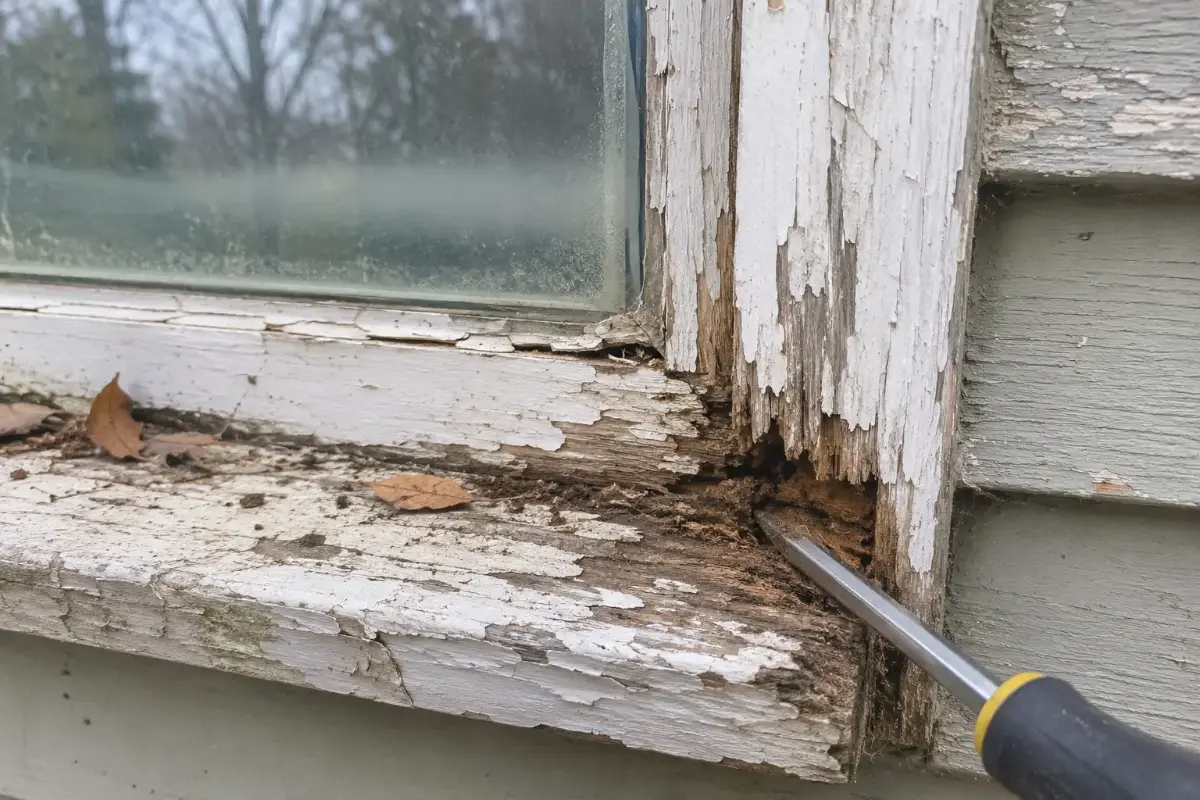
Not every window problem needs a new window. Before you pay for replacement, check whether a smaller fix will do. Rotted trim around a sound window can often be fixed on its own, as our guide to exterior window trim explains.
| Problem | Often fixed by | Full replacement needed? |
|---|---|---|
| Drafts at the frame | New caulk or weatherstripping | Usually not |
| Window hard to open | Cleaning and lubricating the track | Usually not |
| Fog between the panes | Replacing just the glass unit | Not always |
| Soft or rotted frame | Frame repair if small | Often yes |
| Cracked or warped frame | Yes | |
| Single-pane, very drafty windows | Often worth it |
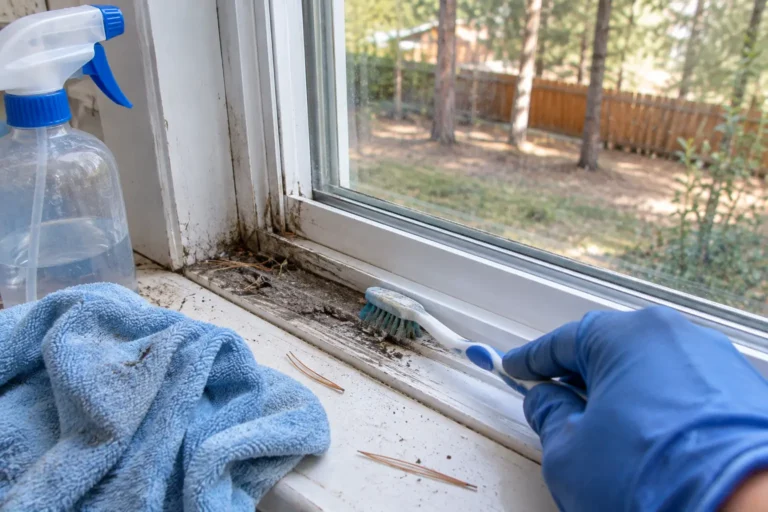
Our guides on how to reseal windows and how to clean window tracks cover the two most common fixes.
How to Keep the Cost Down
- Get at least three written quotes that list the same window, installation type, and extras.
- Ask whether an insert will work. If the old frames are solid and square, an insert costs less than a full-frame job.
- Stick to standard sizes and styles where you can. Custom shapes add a lot.
- Do the whole house or one side at once to share setup costs, as Pella and other installers note.
- Check the label. Pick the U-factor and SHGC that fit your climate instead of paying for upgrades you don’t need. Our low-E glass guide explains the ratings.
After the New Windows Go In
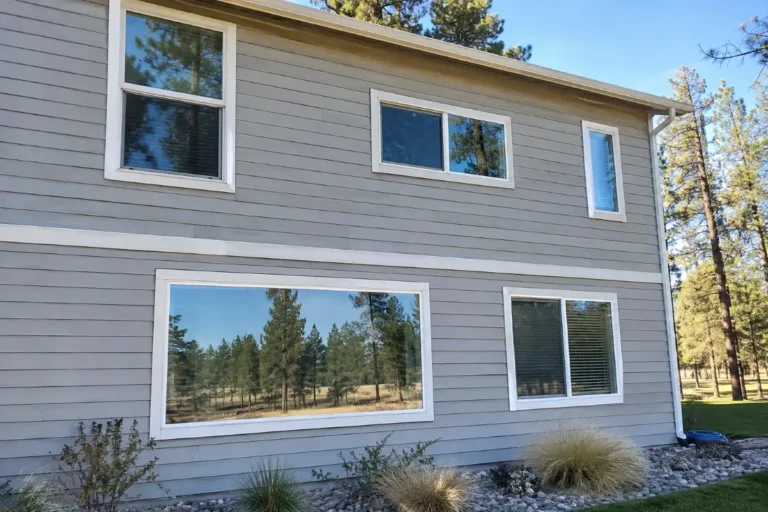
New windows usually arrive with labels, sticker residue, and construction dust on the glass and tracks. Remove labels gently with soapy water, and never use a razor blade on glass with a room-side low-E coating, since window makers warn it can leave permanent marks. If you live in Central Oregon, our post-construction window cleaning service clears labels, paint specks, and construction dust from new windows.
Frequently Asked Questions
How much does it cost to replace one window?
A basic vinyl replacement window costs about $632 to $967 installed, according to Homewyse. Home Depot’s ranges run from about $478 for a basic vinyl double-hung to over $4,000 for a large wood window. Replacing a single window often costs more per window than a larger job, since the setup cost isn’t shared.
Is it cheaper to replace all windows at once?
Usually, per window. Installers spread setup, travel, and crew time over more windows. Pella notes that phasing a project over several years can cost more overall, since setup is repeated and prices can rise.
Is there a tax credit for replacing windows in 2026?
Not federally. The IRS says the energy efficient home improvement credit does not apply to property placed in service after December 31, 2025. Some utilities and states still offer rebates, so check locally.
Do new windows increase home value?
Yes, but they don’t pay for themselves at sale. The 2025 Cost vs. Value report shows vinyl window replacement recouping about 75.5% of its cost nationally and wood about 70.1%.
The Bottom Line
Budget roughly $600 to $1,000 per window for basic vinyl and more for wood, large, or specialty windows. Compare written quotes line by line, ask about permits, trim repairs, and lead-safe work, and check whether a repair can save you the cost to replace windows altogether. The federal tax credit ended with 2025, but new windows still add comfort, efficiency, and resale value.

3 Comments
Comments are closed.