
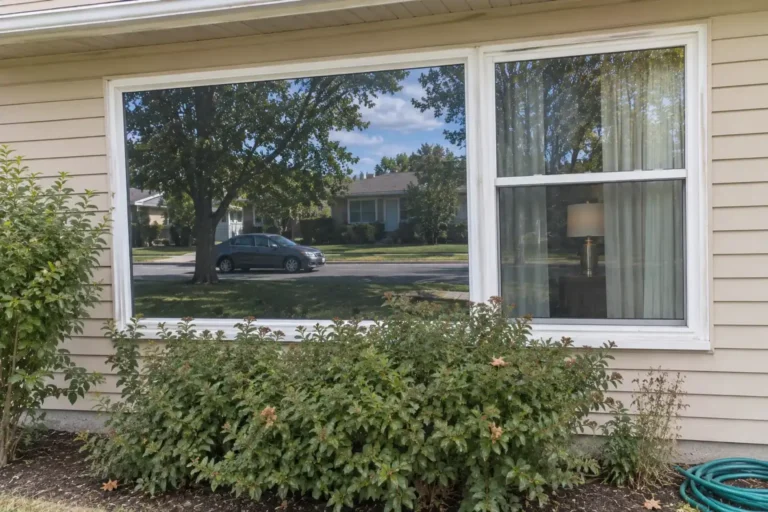
Exterior window trim is the frame of boards or moulding around the outside of a window. It covers the gap between the window and the siding, sheds water, and gives the house its style. The most common materials are wood, cellular PVC, composite, fiber cement, and aluminum wrap. PVC and composite won’t rot, while wood looks traditional but needs paint every few years. Whatever you pick, the trim only keeps water out if it has flashing above it, and it lasts longer if you clean it gently and fix cracked caulk and peeling paint early.
Most pages that rank for this term are store listings and photo galleries. They show profiles and prices but skip what makes trim last: flashing, the right paint, and simple upkeep. This guide covers styles, materials, and care in one place.
The Parts of Window Trim
- Head casing: The top piece. It often sticks out a bit and may have a small drip cap on top to throw water away from the window.
- Side casings: The two vertical pieces along the sides of the window.
- Sill: The sloped ledge at the bottom that sheds water away from the wall.
- Apron: An optional board under the sill that finishes the look.
- Brick mould: A thick, shaped trim that often comes attached to new windows. It’s common on brick homes but is used on siding too.
Popular Trim Styles
- Flat casing: Plain flat boards, often 3-1/2 or 5-1/2 inches wide. It’s clean and simple and fits ranch, modern, and farmhouse homes.
- Craftsman: Flat side casings with a thicker head board and a small cap on top. It suits bungalows and older homes.
- Brick mould: A rounded, profiled frame that looks finished without extra pieces.
- Decorative: Crowns, keystones, and pediments over the window for colonial and traditional homes.
- Wide or layered: Extra-wide boards or two layers stacked for a bold shadow line.
A good rule of thumb is to match the trim style to the age and style of the house, and to keep the width the same on every window on a side. Not sure what windows you have? Our guide to the types of windows can help.
Exterior Window Trim Materials Compared
| Material | Rot resistance | Upkeep | Painting | Best for |
|---|---|---|---|---|
| Wood (pine, cedar) | Low to moderate | Paint and caulk every few years | Required (cedar can be stained) | Historic homes, custom profiles |
| Cellular PVC | Won’t rot | Low | Optional; light colors easiest | Wet areas, low upkeep |
| Composite | High | Low | Usually primed, then painted | Wood look with less rot risk |
| Fiber cement | High | Low to moderate | Needs paint (often pre-primed) | Matching fiber cement siding |
| Aluminum wrap | Covers old wood | Low | Factory color | Covering old wood trim |
Wood is the classic choice and easy to shape, but it soaks up water at its ends and joints. Purdue Extension notes that paint on wood usually fails first around the ends and edges of a board, and that rain and dew soaking into joints and end grain speed up that failure (Purdue Extension wood paint guide).
Cellular PVC won’t rot and holds up well near the ground and in wet spots. It does move with temperature more than wood. AZEK, a major PVC trim maker, calls for glued joints, fasteners within 2 inches of each board end, and fasteners no more than 16 inches apart (AZEK trim technical data sheet).
Aluminum wrap (also called coil stock) is bent sheet metal fitted over old wood trim. It’s low upkeep, but if water gets behind it, rot underneath can go unnoticed for years.
Pros and Cons of PVC and Composite Trim
| Pros | Cons |
|---|---|
| Won’t rot or attract insects | Usually costs more than primed pine |
| Needs little upkeep | Moves with heat, so joints need glue and close fastening |
| Paint is optional on white PVC | Dark paint colors can make PVC overheat and warp |
| Works near the ground and in wet spots | Fewer profile choices than custom wood |
| Easy to cut with normal woodworking tools | Looks less authentic on historic homes |
On paint color, AZEK says regular 100% acrylic latex is fine for colors with a light reflective value (LRV) over 55. Darker colors need a paint from its approved list, since the wrong paint can make the trim overheat and warp or buckle. For the siding itself, our guide to the best exterior paint compares top brands by siding type.
Flashing: The Part Most People Skip
Trim alone does not keep water out. Water that gets behind the head casing can run down into the wall and rot the window frame and sheathing.
The U.S. Department of Energy’s Building America Solution Center explains that flashing should be lapped so water runs out, not in: a sill pan first, side flashing over the pan, and head flashing over the sides. After the trim goes on, it calls for cap flashing above the top trim that extends past the trim on both sides (Building America flashing guide).
If your window trim has no metal or vinyl drip cap above the head, ask your contractor to check it. It’s a common reason trim and siding rot above windows. Metal roofs rely on the same lapped trim, as our guide to metal roof installation shows. Roofs use the same idea at their edges, and our guide to the parts of a roof explains drip edge and flashing.
Signs Your Trim Needs Work
- Peeling or blistered paint, especially at the ends and corners
- Soft spots where a screwdriver sinks in easily
- Cracked, shrunken, or missing caulk at joints and along the siding
- Dark stains or water streaks running down from the window
- Gaps where trim boards meet or where trim pulls away from the wall
- Mildew or green growth on shaded sides of the house

Small soft spots can often be cut out and patched. Larger rot, or rot that reaches the window frame, may mean the window itself is failing. Our guide to the cost to replace windows shows when repair stops making sense.
How to Clean and Maintain Exterior Window Trim
A simple routine keeps trim looking good and lets you spot problems early:
| When | What to do |
|---|---|
| Spring | Wash trim, check caulk and paint |
| Summer | Touch up paint on south and west sides |
| Fall | Clear gutters, check head flashing and sills |
| After storms | Look for cracks, gaps, and water stains |
| Every few years | Repaint wood trim before paint fails |
To wash trim, use a soft brush, mild dish soap, and a garden hose. James Hardie advises against high-pressure power washers on its siding and trim, and suggests a soft, non-metal brush instead. High pressure can also force water behind trim and into joints.
For mildew on painted wood, Purdue Extension recommends a dilute household bleach solution, then a thorough rinse. Check the care guide for PVC and fiber cement first, since some makers ask you to avoid bleach. Never mix bleach with ammonia.
Recaulk cracked or shrunken joints where trim meets siding and where boards meet each other. Use an exterior-grade sealant. Our guide on how to reseal windows walks through the steps.
For paint, Purdue suggests painting new wood within about 2 weeks of installation and treating bare wood and end grain with a water-repellent preservative before priming. If indoor sills and trim already show white rings or dark marks, our guide on how to remove water stains from wood explains the fix. For indoor trim and cabinets, our guide to the best paint for kitchen cabinets compares hard enamels and sheens.
Lead paint warning: If your home was built before 1978, the trim may have lead paint. Scraping or sanding it can release dangerous lead dust. The EPA’s Renovation, Repair and Painting rule requires paid contractors who disturb paint in pre-1978 homes to be lead-safe certified (EPA RRP program). Test before you scrape.
While you’re at it, clean the glass too. Our guide on the best way to clean windows covers the squeegee method. Overflowing gutters are a common cause of wet, rotting window heads. If you live in Central Oregon, our gutter cleaning service keeps water from spilling onto your trim. Planting mums by the house this fall? Our guide to the November birth flower covers which colors to pick and how to keep them coming back.
Frequently Asked Questions
What is the best material for exterior window trim?
It depends on your house and budget. Cellular PVC and composite are best for low upkeep and wet spots, since they won’t rot. Wood is best for historic homes and custom profiles, as long as you keep it painted. Fiber cement is a good match for fiber cement siding.
How wide should window trim be?
Flat casing is usually cut from standard 1×4 or 1×6 boards, which are 3-1/2 or 5-1/2 inches wide. Many homes use a slightly wider head piece than side pieces. Keep the width the same on every window on each side of the house.
Can you paint PVC trim a dark color?
Yes, but use the right paint. AZEK says colors with an LRV over 55 can use regular 100% acrylic latex exterior paint, while darker colors need a paint from its approved list to prevent overheating and warping.
Should exterior window trim be caulked?
Yes, at the joints between trim pieces and where trim meets the siding. Caulk is a backup, though. Flashing above the window does the main job of keeping water out, so don’t rely on caulk alone.
The Bottom Line
Pick a trim style that fits your house and a material that fits how much upkeep you want: PVC or composite for little work, wood for a classic look. Make sure there’s flashing above every window, keep the caulk sealed, and wash trim gently with a soft brush and a garden hose. If your house is older than 1978, test for lead before scraping old paint.


7 Comments
Comments are closed.