
The best paint for kitchen cabinets is a waterborne alkyd or urethane-modified enamel made for cabinets and trim, not regular wall paint. For most DIYers, Benjamin Moore Advance is the top pick because it levels out smoothly when brushed or rolled and cures hard. Sherwin-Williams Emerald Urethane Trim Enamel is a strong choice if you want a tougher film and faster recoats, and INSL-X Cabinet Coat is a good value that bonds to many surfaces. Choose a satin finish for most kitchens, and plan on cleaning, sanding, and priming first, since prep matters as much as the paint.
Most “best paint” lists come from bloggers with affiliate links or painting companies selling their services, and few give real numbers. This guide compares the main paint types, pulls dry and cure times from the makers’ own data sheets, and explains how sheen changes both the look and the cleanup.
Our Picks at a Glance
| Paint | Type | Sheens | Recoat time | Best for |
|---|---|---|---|---|
| Benjamin Moore Advance | Waterborne alkyd | Several, from matte to high gloss | About 16 hours | Smooth brush and roller finish |
| Sherwin-Williams Emerald Urethane Trim Enamel | Water-based urethane-modified alkyd | Satin, semi-gloss, gloss | Same day, check the label | Hard wear, faster projects |
| INSL-X Cabinet Coat | Urethane-reinforced acrylic | Satin, semi-gloss | About 6 hours | Value, laminate, quick recoats |
| 2K waterborne coatings | Two-part catalyzed | Many, from matte to gloss | Varies | Pro spray finishes |
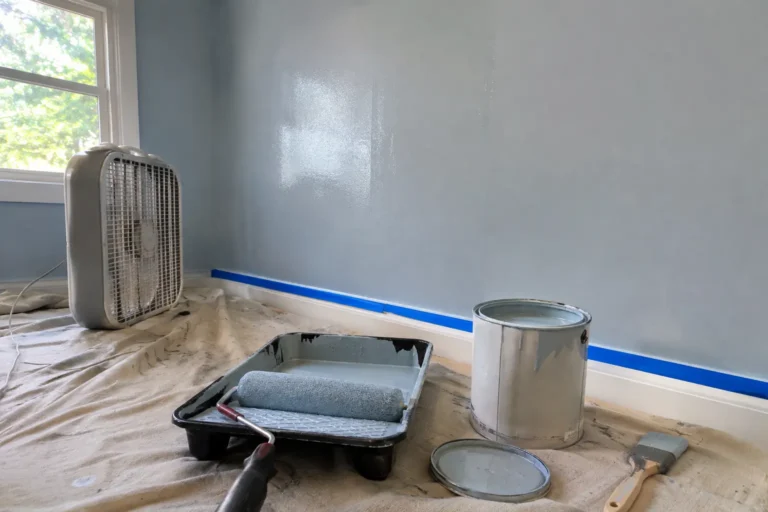
Recoat times are at about 77°F and 50% humidity. Cool or damp weather makes every paint dry slower. For wall paint and primer, see our guide on how long paint takes to dry.
The Best Paints for Kitchen Cabinets
1. Benjamin Moore Advance: Best overall for DIY
Advance is a waterborne alkyd. It cleans up with soap and water like latex but flows out like an oil paint, so brush and roller marks level out as it dries. Benjamin Moore’s data sheet lists the satin at about 4 to 6 hours to touch and 16 hours before recoating, with hardness still building for up to 30 days (Benjamin Moore Advance data sheet). It lists VOCs at 48 grams per liter.
- Good for: First-time cabinet painters who will brush and roll
- Watch out for: Long waits between coats, and doors stay soft for weeks, so handle them gently
2. Sherwin-Williams Emerald Urethane Trim Enamel: Best for durability
Sherwin-Williams describes Emerald Urethane as a water-based, urethane-modified alkyd with the look and feel of an oil finish. It’s made for heavily used areas, resists yellowing better than traditional oil paint, and has strong block resistance, so doors are less likely to stick to the frames (Sherwin-Williams Emerald Urethane). It also recoats faster than Advance.
- Good for: Busy kitchens, families, and painters who want to finish in fewer days
- Watch out for: It sets up faster, so it’s less forgiving of overworking. One longtime user reported poor adhesion after painting below 50°F, so stay within the label’s temperature range
3. INSL-X Cabinet Coat: Best value
Cabinet Coat is a waterborne, urethane-reinforced acrylic from Benjamin Moore’s INSL-X line. Its data sheet lists about 1 hour to tack-free, 6 hours to recoat, and about 14 days to full cure (INSL-X Cabinet Coat data sheet). It also says melamine laminate and Formica need no primer, though they still need cleaning and a light scuff.
- Good for: Budget projects, laminate cabinets, and quick weekend jobs
- Watch out for: It doesn’t level quite as smoothly as an alkyd, so use a fine foam or microfiber roller
4. 2K waterborne coatings: Best pro finish
Two-part (2K) catalyzed coatings, like Gemini EVO, mix a hardener into the finish for a tough, factory-like film. They’re usually sprayed by pros or cabinet shops and need careful mixing and ventilation. If you’re hiring a painter, ask whether they use a 2K or a single-part cabinet enamel and how long they warranty it.
What about Behr, Valspar, and chalk paint?
Behr and Valspar both sell cabinet and trim enamels at home centers, and many DIYers use them with good results. We couldn’t confirm their dry and cure times from the makers, so read the label for recoat and cure times before you start. Chalk paint and milk paint need a protective topcoat to hold up in a kitchen.
Which Sheen Is Best for Kitchen Cabinets?
| Sheen | How it looks and wears |
|---|---|
| Matte or flat | Modern and hides flaws, but marks easily and is hard to scrub |
| Dull rub (about 20 sheen) | A soft low shine that pros like on dark colors |
| Satin | The most popular choice, easy to clean without looking shiny |
| Semi-gloss | Very wipeable, but shows brush marks and dents |
| High gloss | Dramatic, but needs perfect prep and usually spraying |
The trade-off is simple: more shine means easier cleaning, but it also shows every brush mark and dent. Satin is the safe middle for most kitchens. Dark colors like black or deep green show scuffs and water spots more, so a hard enamel matters more than the exact sheen. Benjamin Moore lists Advance satin at 25 to 35 gloss units at a 60° angle, while Cabinet Coat semi-gloss measures 40 to 50, which shows how much “satin” and “semi-gloss” can differ between brands.
Cabinet Paint Types Compared
| Paint type | Durability | Ease for DIY |
|---|---|---|
| Wall latex | Low; soft and sticky on doors | Easy, but wears fast |
| Acrylic cabinet enamel | Good | Easy, fast recoats |
| Waterborne alkyd | Very good once cured | Easy, slow recoats |
| Urethane-modified enamel | Very good | Moderate, sets faster |
| Oil-based alkyd | Very hard | Hard; strong fumes, yellows over time |
| 2K catalyzed coating | Best | Pros only |
How to Paint Kitchen Cabinets So the Paint Lasts
- Take off doors, drawers, and hardware. Label each piece with tape so they go back in the same spot.
- Degrease. Kitchen grease is the top cause of peeling. Scrub with a degreaser and rinse well.
- Scuff sand. Use 150 to 220 grit to dull the old finish, then vacuum and wipe off the dust.
- Prime. Use a bonding primer on slick or previously painted surfaces, and a shellac-based stain-blocking primer on oak or knotty wood, since tannins can bleed through light paint.
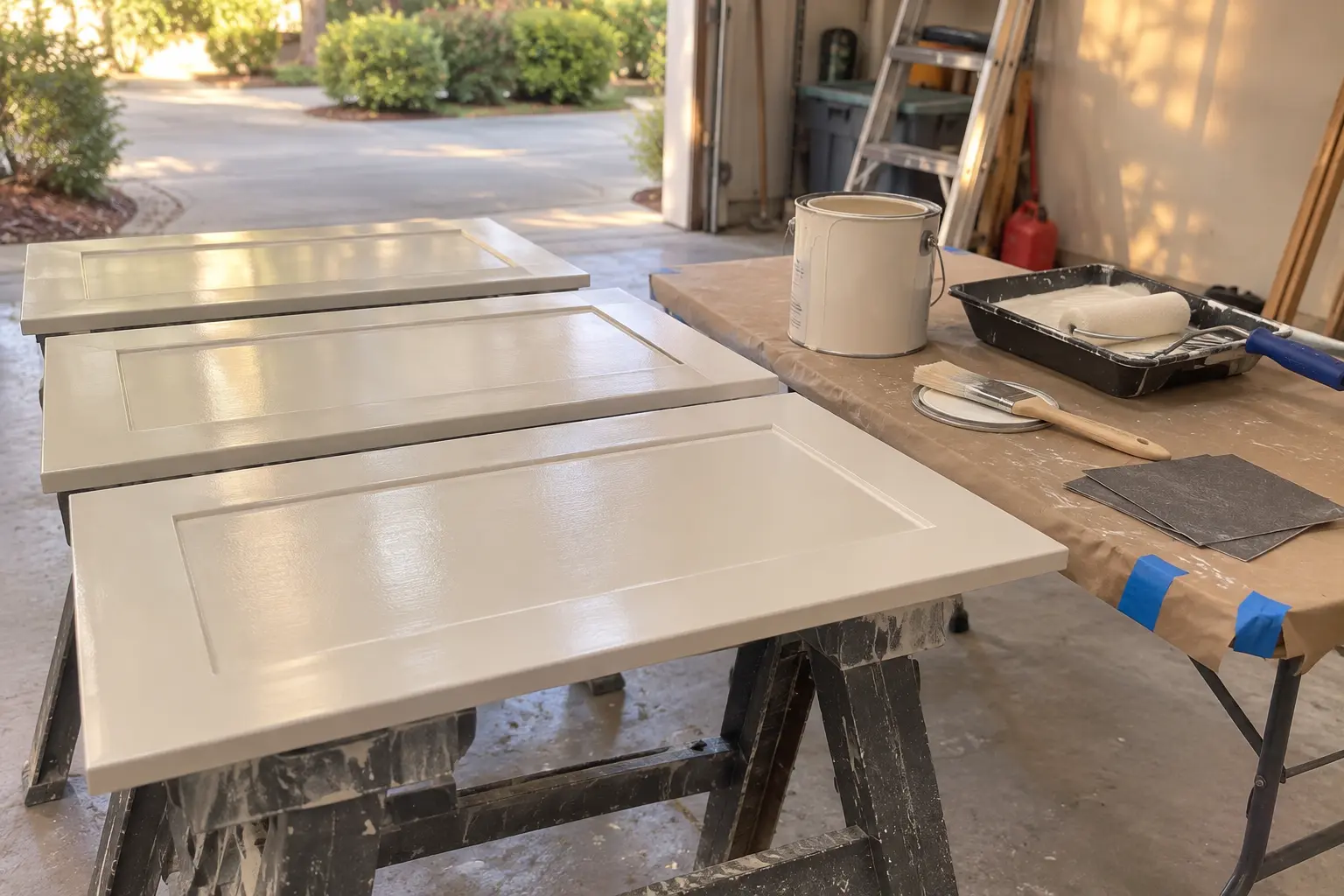
- Apply two thin coats. Use a quality brush for profiles and a fine foam or microfiber roller for flat panels. Lay doors flat to help the paint level.
- Wait before rehanging. Follow the recoat time on the label, then give doors a few days before hanging and treat them gently until fully cured.
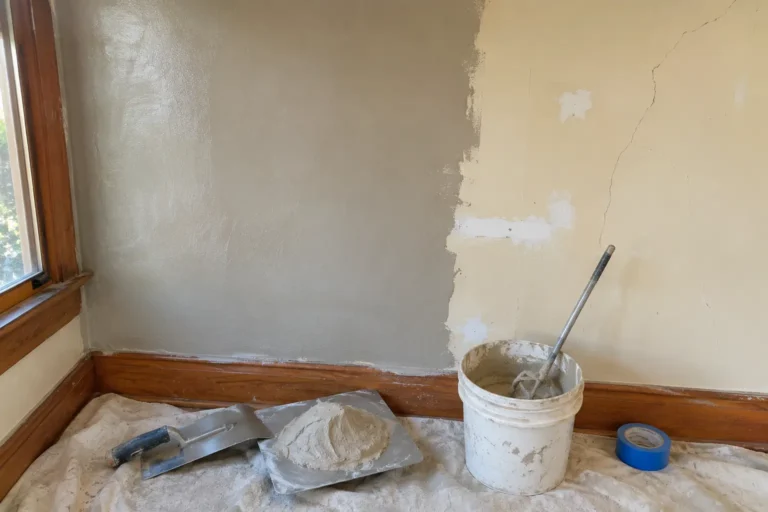
Lead paint warning: If your home was built before 1978, the old cabinet finish may contain lead. The EPA says to have it tested by a certified inspector or assume it has lead, mist surfaces before sanding, and use HEPA-equipped tools to keep dust down (EPA lead-safe tips for DIYers). Keep children and pregnant family members out of the work area.
Painting near windows? Cover the glass and frames before you start. If paint specks still land on the glass, our guide on the best way to clean windows explains how to remove them safely. In Central Oregon, our post-construction window cleaning service removes paint, tape, and dust from windows after a remodel.
Painting vs. Replacing Cabinets: Pros and Cons
| Pros | Cons |
|---|---|
| Costs a fraction of new cabinets | Takes days to weeks, start to finish |
| Keeps solid wood boxes you already have | Can’t fix sagging, water-damaged, or poorly built boxes |
| Lets you change color for a fresh look | Hard enamels need weeks to fully cure |
| Easy to touch up later | DIY results depend heavily on prep and patience |
If cabinet boxes are swollen from leaks under the sink, painting won’t fix them. For lighter water marks on wood, see our guide on how to remove water stains from wood before you paint. The same enamels work on trim, and our guide to exterior window trim covers outdoor paint and prep. For siding and the rest of the house, see our guide to the best exterior paint.
Frequently Asked Questions
What is the most durable paint for kitchen cabinets?
A 2K catalyzed coating is the toughest, but it’s usually a pro product. For DIY, urethane-modified enamels like Sherwin-Williams Emerald Urethane and waterborne alkyds like Benjamin Moore Advance are the most durable choices once fully cured.
Do I need to sand cabinets before painting?
Yes, in most cases. A light scuff sand gives the primer something to grip. Liquid deglossers can help, but many painters still sand, especially on glossy or factory finishes. Laminate also needs a scuff and the right primer, or a paint rated to stick to it.
Is satin or semi-gloss better for kitchen cabinets?
Satin is the most popular pick because it’s easy to clean without looking shiny or showing brush marks. Semi-gloss is even easier to wipe but highlights flaws, so it works best on smooth or sprayed doors.
How long does cabinet paint take to cure?
It depends on the paint. INSL-X lists about 14 days for Cabinet Coat, and Benjamin Moore says Advance keeps hardening for up to 30 days. Cabinets are usable sooner, but treat them gently and avoid scrubbing until fully cured.
The Bottom Line
The best paint for kitchen cabinets is a cabinet-grade enamel, not wall paint. Benjamin Moore Advance is the easiest to get a smooth DIY finish with, Sherwin-Williams Emerald Urethane is tougher and faster to recoat, and INSL-X Cabinet Coat is a solid value. Pick satin for most kitchens, degrease and prime carefully, and give the finish time to cure before you put it to work.


2 Comments
Comments are closed.