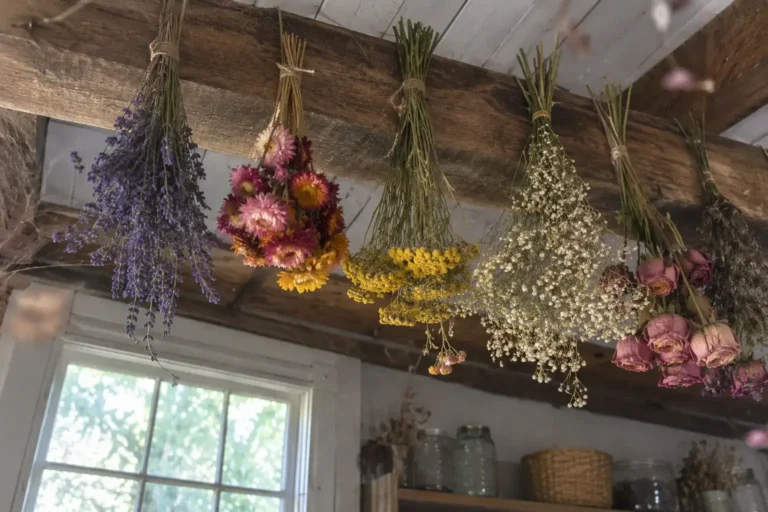
To plant a succulent, choose a pot with a drainage hole and fill it partway with a fast-draining cactus and succulent mix, not regular potting soil. Ease the plant out of its nursery pot, set it so the top of the root ball sits about half an inch below the rim, fill around it, and press the soil gently. Water until a little drains out the bottom, empty the saucer, and then let the soil dry completely before watering again. Give the plant bright light, at least 6 hours a day for most kinds, and bring tender types indoors before the first frost.
Many succulent guides come from stores selling pots and plants, or from growers sharing what works in their own climate. This guide uses university extension advice for soil, light, and watering, adds tips from two popular planting videos, and covers bowls, strawberry pots, and planting outdoors.
What You Need
- A pot with a drainage hole. Iowa State University Extension says pots must have drainage holes, and a layer of gravel at the bottom doesn’t replace one (Iowa State on growing succulents indoors).
- Fast-draining soil. A bagged cactus and succulent mix, or your own blend (see the table below).
- A healthy plant. Pick one with good color and a tight shape, with no bugs, soft spots, or dead leaves.
- A small square of window screen or a coffee filter to keep soil from washing out of the hole.
- Gloves for spiny plants, and a spoon or small trowel for tight spaces.
The Best Soil for Succulents
| Mix | Recipe | Source |
|---|---|---|
| Bagged mix | Cactus and succulent potting mix | Iowa State Extension, Garden Answer |
| Extension blend | About 1/3 organic material and 2/3 mineral material, such as perlite or coarse sand | Iowa State Extension |
| Strawberry pot blend | 2 parts potting medium to 1 part sand, plus plenty of perlite | Garden video we reviewed |
Use coarse sand, not fine play sand, which packs down and holds water.
Can I use regular potting soil for succulents?
Not on its own. The host of the YouTube channel Garden Answer says regular potting soil is too heavy and holds too much moisture, which can rot succulent roots. If it’s all you have, mix it about half and half with perlite or coarse sand so water drains quickly.
Planting Succulents Step by Step
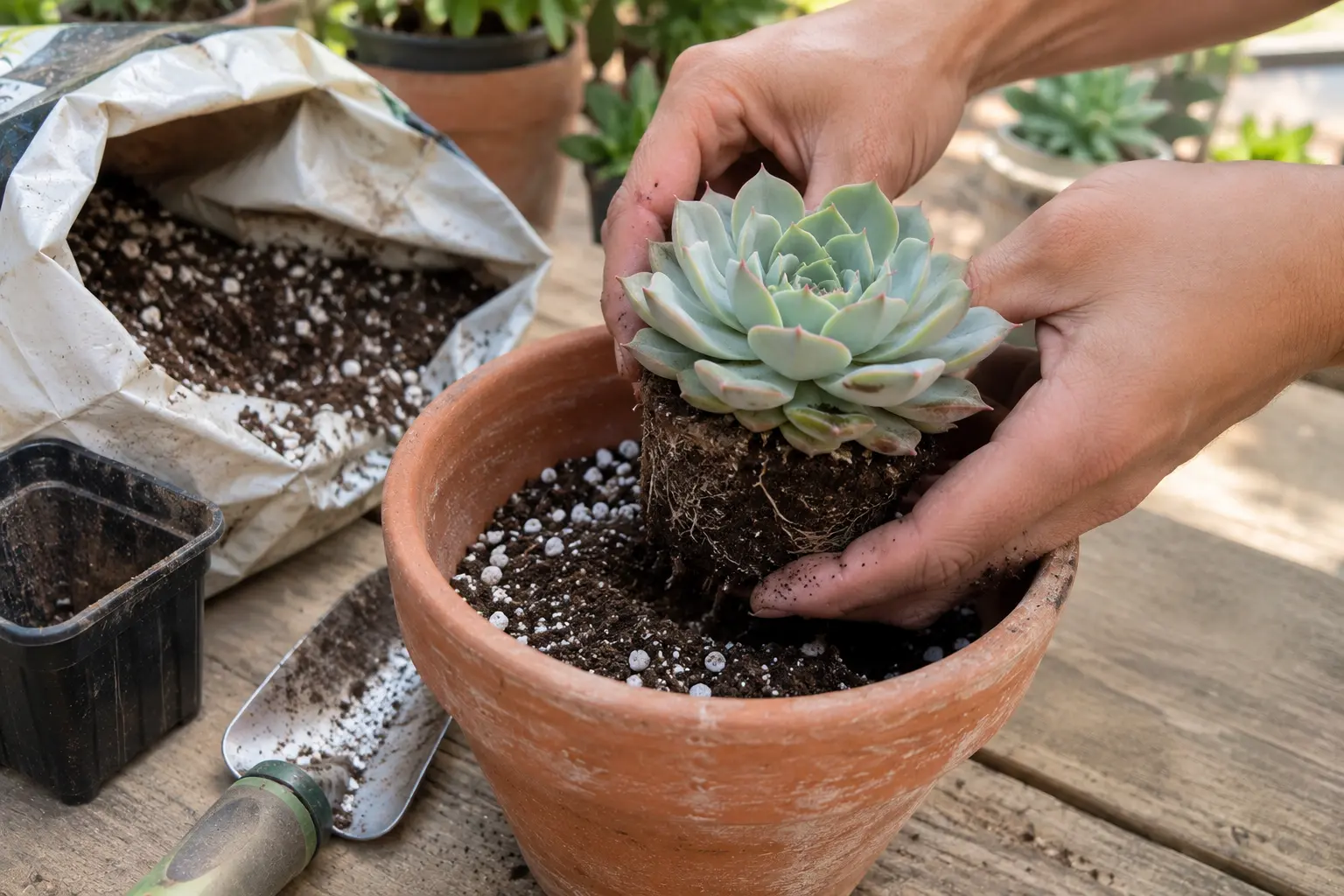
The diagram below shows how a planted succulent pot should look in cross-section.
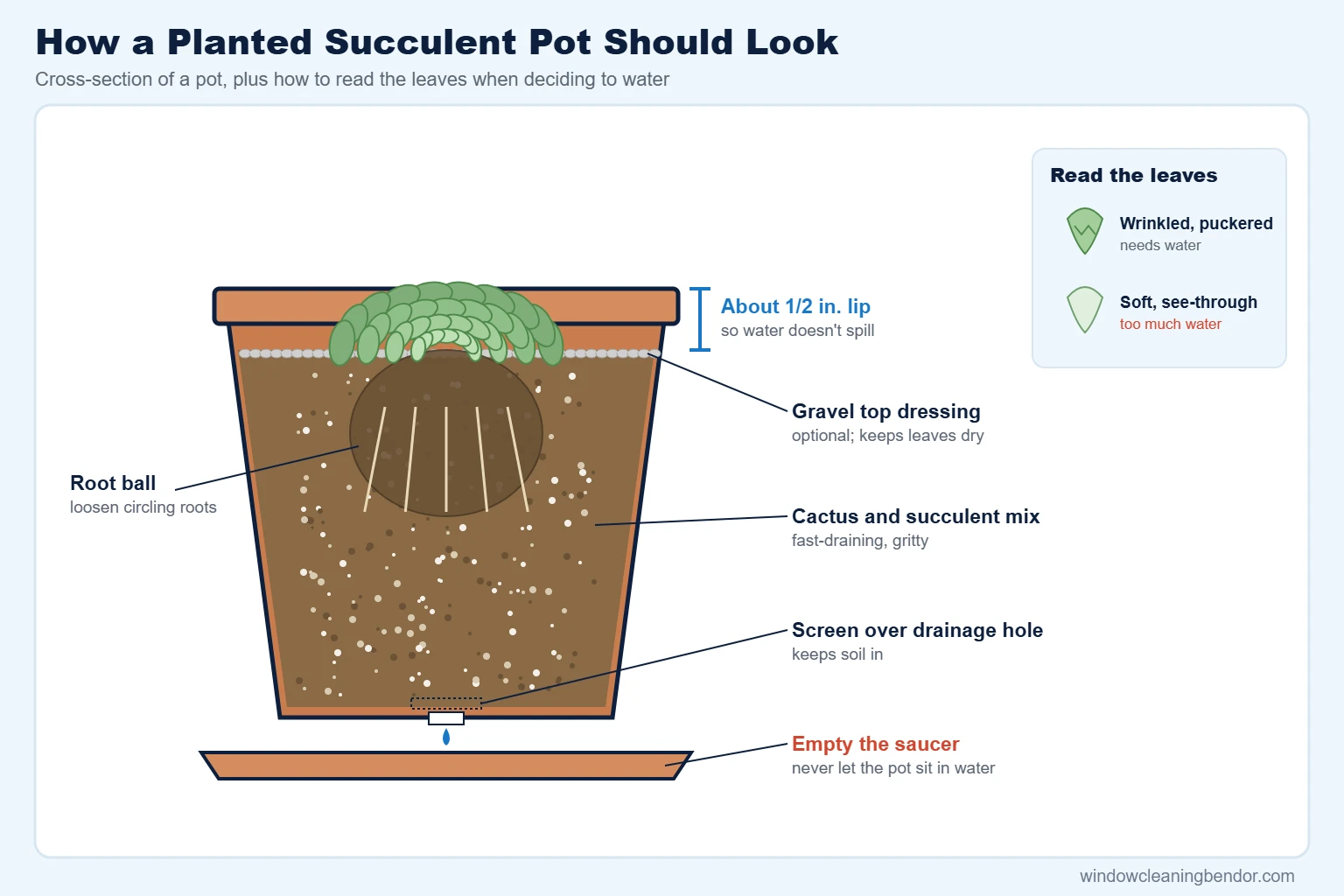
- Cover the drainage hole. Lay a piece of window screen or a shard of broken pot over the hole.
- Add soil to the bottom. Fill the pot partway, and work a little soil up the sides.
- Remove the plant. Squeeze the nursery pot and ease the plant out. Gently loosen circling roots with your fingers. Shake off loose old soil if it’s heavy or wet.
- Set the height. The top of the root ball should sit about half an inch below the rim, so water doesn’t spill over when you water.
- Fill and firm. Add soil around the root ball and press it down gently so the plant stands upright.
- Top dress if you like. A thin layer of small gravel keeps leaves off damp soil and looks tidy.
- Water. Water slowly until a little runs out the bottom, then empty the saucer. Don’t let the pot sit in water.
Should you water succulents right after planting?
Usually a light watering is fine, as long as the soil drains well and the pot doesn’t sit in water. Garden Answer waters right after planting until a little drains out. If you damaged roots while planting or the soil is already damp, some growers wait a few days before the first drink so broken roots can heal.
Do succulents need drainage holes?
Yes. Without a hole, water collects at the bottom and the roots rot. Iowa State says gravel in the bottom of the pot isn’t a substitute. If you love a pot without a hole, set a smaller pot with drainage inside it and empty the outer pot after watering.
Planting a Succulent Bowl or Strawberry Pot
Succulent bowls
Choose a shallow bowl with a drainage hole. Set the plants in their nursery pots on top of the soil first to test the layout, putting the tallest or most colorful one in the center. Group plants with similar water needs, add soil under smaller plants so all the root balls sit level, then plant from the center out.
Strawberry pots
In the second video we reviewed, a gardener filled a terra cotta strawberry pot with a 2-to-1 soil and sand mix, adding soil while working up the pot. The gardener squeezed the roots of small plants and divisions to fit through each side pocket, put a larger plant in the top, added a small pinch of slow-release fertilizer, and watered each pocket, with a plan to water about once a week.
Watering, Light, and Feeding
| Care need | What to do |
|---|---|
| Watering | Soak until it drains, then let the soil dry completely. Indoors, start with every 2 to 3 weeks. |
| Light | Bright light for 6 or more hours a day; give outdoor plants afternoon shade in hot summers |
| Fertilizer | Spring and summer only, at 1/4 to 1/2 the label rate |
| Temperature | About 55°F to 75°F indoors; protect tender types from frost |
The watering, fertilizer, and temperature guidance comes from Iowa State, which says most succulents need at least 6 to 8 hours of bright light and suggests grow lights if a window falls short.
How often should I water succulents?
When the soil is dry several inches down, not on a fixed calendar. Iowa State suggests starting with every 2 to 3 weeks indoors and adjusting. Garden Answer says wrinkled or puckered leaves usually mean the plant is thirsty, while soft, see-through leaves mean it’s getting too much water. Plants in strong summer sun outdoors may need water weekly.
Stretched, pale plants that lean toward the window aren’t getting enough light. Move them closer to a bright window or add a grow light. Iowa State notes that poor air flow can also invite mealybugs and spider mites. Garden Answer removes mealybugs, which look like bits of cotton, with a cotton swab dipped in rubbing alcohol.
Pet safety warning: Some common succulents are toxic to pets. The ASPCA lists jade plant as toxic to cats, dogs, and horses, with signs like vomiting and incoordination (ASPCA on jade plant). Keep jade and aloe out of reach, and check the ASPCA list before buying. Our guide on what flowers are toxic to cats covers other common plants.
Can Succulents Stay Outside in Winter?
Most succulents sold as houseplants can’t handle frost, so bring them inside before the first freeze. A few are very cold hardy. NC State Extension lists hens and chicks (Sempervivum) as hardy to USDA zone 3 and notes they need sharp drainage and do best in full sun (NC State on hens and chicks). Many sedums are also hardy in cold climates.
In the ground, plant hardy succulents in a sunny spot with sandy or gravelly soil. Raised beds and slopes help water drain away from the crowns.
Growing Succulents Indoors: Pros and Cons
| Pros | Cons |
|---|---|
| Protected from frost and heavy rain | Most windows give less light than succulents want |
| Easy to keep an eye on pests | Plants stretch without enough light |
| Low watering needs | Easy to overwater in winter |
| Works in small spaces | Some are toxic to pets that chew plants |
Indoor succulents grow best in your sunniest window, and clean glass lets in more light. Our guide on the best way to clean windows explains how to get streak-free glass. If you’re planting bulbs this fall too, see our guide on how to plant tulip bulbs. In Central Oregon, a skylight can give indoor plants extra overhead light, and our skylight cleaning service keeps the glass clear of pine pollen and dust.
The Bottom Line
Plant succulents in a pot with a drainage hole and fast-draining cactus mix, keep the root ball about half an inch below the rim, and water until it drains before letting the soil dry completely. Give them at least 6 hours of bright light, feed lightly only in spring and summer, and bring tender types inside before frost. Hens and chicks and many sedums can stay outdoors year-round in a sunny, well-drained spot.